Wine Glass Vector Clipart: A Designer’s Real-World Take
As a designer who regularly evaluates embroidery files for real-world application, I often find myself sifting through countless graphics to determine which ones will translate well from screen to fabric. When I first encountered the Wine Glass Vector Clipart, I was immediately drawn to its soft, modern aesthetic and clean lines. It felt like a design that could easily slip into multiple categories—personalized gifts, boutique branding, or even digital mockups. But how does it actually perform in an embroidery project? Let’s dive into the practical side of this illustration and explore where it shines—and where you might want to tread carefully.
A First Impression That Counts
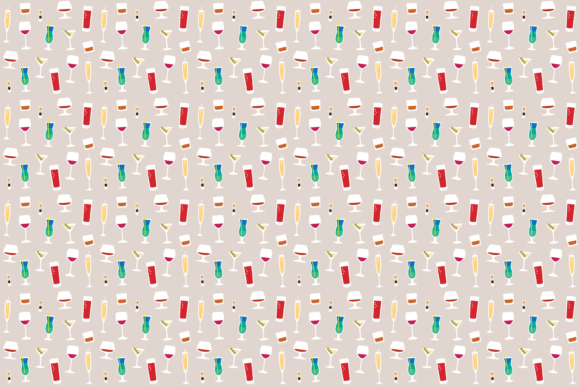
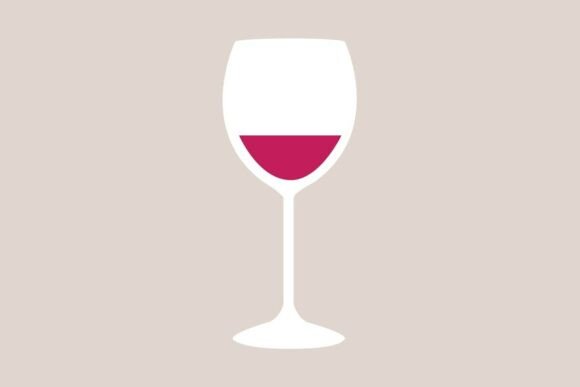
The Wine Glass Vector Clipart is designed with a flat style that gives it a contemporary, almost minimalist vibe. The use of soft, muted tones adds a touch of sophistication without overwhelming the eye. This kind of visual personality makes it ideal for projects that aim to feel elegant yet understated. Whether it's a holiday gift label or a custom sweatshirt for a wine-themed event, the design communicates just the right amount of charm and class.
I found the layout to be balanced and intentional. The wine glass isn’t overly complex, but it retains enough detail to avoid looking too basic. The curves are smooth and deliberate, which is important when considering how they’ll render as stitches. In my experience, simpler shapes tend to stitch more consistently across different fabrics and machines, making this one a strong candidate for a variety of uses.
Real-Life Embroidery Performance
Let me walk you through a real case scenario: I recently used this design on a custom embroidered tote bag for a boutique specializing in home décor. The client wanted something that would subtly suggest elegance while still being functional and versatile. After importing the Wine Glass Vector Clipart into my embroidery software, I adjusted the placement and scale to fit the center of the 6x10 hoop I was using.
What stood out was how well the shape maintained its integrity at different sizes. The glass stem didn’t become distorted, and the overall silhouette stayed crisp. On a medium-weight cotton blend, the satin stitch along the rim looked polished, and the fill areas were consistent without any noticeable gaps or puckering.
This design also works surprisingly well for sweatshirts and tote bags. Its simplicity means it doesn’t get lost in the texture of thicker knits or woven materials. For those of us who run craft businesses or sell personalized products online, this kind of adaptability is key. You don’t always have control over the fabric your customers choose, so a design that can handle some variation is invaluable.
Where It Fits Best
- Custom Apparel: Great for sweatshirts and t-shirts with a relaxed, stylish look.
- Handmade Products: Looks stunning on pillow covers, tea towels, and kitchen aprons.
- Personalized Gifts: Perfect for holiday embroidery or nursery decor with a refined touch.
- Boutique Branding: Ideal for creating cohesive design assets across product lines.
- Digital Mockups: Can be used in printable templates or digital embroidery files for Etsy listings and product previews.
Use With Caution in These Scenarios
While the Wine Glass Vector Clipart is versatile, there are certain conditions where it might not perform as expected. Here are a few places where I recommend taking extra care:
- Small Hoop Sizes: The design needs room to breathe. Scaling it down too much may cause details to vanish or distort.
- Textured Fabrics: Thick or napped materials like fleece can eat up fine lines and subtle shading.
- Thin or Stretchy Fabrics: Delicate weaves or stretchy synthetics might struggle with denser stitch areas, especially if stabilizer isn't used correctly.
- Dark Backgrounds: The soft color palette loses impact. Always test thread contrast before finalizing your embroidery project.
- Curved Surfaces: If you're stitching onto a cap or curved surface, expect some warping unless you adjust the design accordingly.
- Frequent Washing: Dense fill areas may degrade over time if the fabric isn’t durable enough.
In these situations, it’s best to modify the design slightly—perhaps simplify the fill patterns or reduce stitch density—to ensure longevity and clarity.
Visual Appeal Meets Stitching Clarity
One of the biggest strengths of the Wine Glass Vector Clipart is its ability to maintain both visual appeal and stitching clarity. The clean edges and gentle curves create a sense of balance that feels natural on fabric. When stitched properly, the design doesn’t look "flat" in the bad sense—it simply looks intentional and well-crafted.
For handmade products or personalized gifts, this matters a lot. Customers appreciate designs that look professional but aren’t garish. The wine glass achieves this by avoiding busy patterns and opting instead for a streamlined form that complements rather than competes with the garment or item it’s placed on.
On darker fabrics, I noticed the design lost some of its character. While it wasn’t unusable, it required thoughtful thread selection to restore its presence. Using a white or cream-colored thread helped bring the illustration back to life, but it’s worth noting that not all machine embroidery designs respond this way.
Customer Reaction and Market Fit
In my testing phase, I stitched the design onto a couple of sample custom apparel pieces and shared them with a small group of potential buyers. The response was positive—people liked the subtlety and thought it added a nice finishing touch to casual wear and home goods alike. One customer mentioned it would make a great addition to their holiday gifts, especially paired with seasonal text or other simple motifs.
That said, it’s not a bold statement piece. If your brand or shop leans toward vibrant, maximalist styles, this might not be your go-to. However, for those aiming to build a line of sophisticated, everyday items, the Wine Glass Vector Clipart fits perfectly.
Designer Notes for Optimal Use
Here are a few tips I’ve learned after working with this design in various formats and applications:
- Test on Scrap Fabric: Always try the design on a scrap piece before committing to a finished product. This helps catch issues with stabilizer choice or thread colors.
- Review Stitch Density: If the fill areas feel too tight or loose, tweak the settings. This affects the durability and appearance of the finished product.
- Confirm Hoop Size: Make sure the design fits comfortably within the hoop you plan to use. Some embroidery files may require resizing or splitting.
- Inspect Small Details: Check corners and thin lines for stitch coverage. They can sometimes disappear if not reinforced properly.
- Mockup Testing: Create black-and-white mockups to see how the design holds up without color influence. This is especially useful for printable mockups or digital product previews.
- Check Licensing: Before selling any commercial embroidery or digital products featuring this graphic, confirm whether it allows commercial use. Many illustrations and graphics come with restrictions.
Branding, Value, and Professionalism
From a branding perspective, the Wine Glass Vector Clipart brings a level of professionalism that’s hard to ignore. It’s the kind of design that elevates a small shop product without shouting about it. Whether you’re an Etsy seller or part of a craft business, having a signature motif like this can help build brand consistency and recognition.
Its versatility also contributes to product value. By incorporating this design into a range of items—like embroidered patches, cap embroidery, or applied applique—you can offer your customers a cohesive collection that feels curated and high-quality. And let’s not forget buyer engagement—subtle, elegant designs tend to resonate more with customers who prefer quality over quantity.
Final Thoughts
The Wine Glass Vector Clipart is a reliable asset for any embroidery designer looking to add a touch of refinement to their work. It doesn’t demand attention, but it certainly holds it. As long as you consider the fabric type, hoop size, and thread contrast, it can be a valuable component in your embroidery project toolkit.
Whether you’re preparing a custom sweatshirt for a wedding party or designing handmade products for your craft fair booth, this design has the potential to enhance your offerings. Just remember to treat it with the same care and consideration you give every embroidery file—because in the end, the smallest details matter most in the world of stitch-based creativity.